

8 characteristics you need in your academic translator

8 characteristics you need in your academic translator

In general, academic translations are the most complicated of all. With dense texts, highly technical terms and complicated language, translating a research article for publication into English from Spanish, or viceversa, requires a lot of skill. For this reason, we have prepared a list of features you should look for in an academic translator in Colombia before you hire them to translate your article.

  1. Qualifications. Your academic translator needs to have studied at university, and preferably at postgraduate level. They need to have some experience researching and writing a thesis so that they can achieve a good translation of your research results. More study = better academic translator. 
  2. Publications. Although it isn’t compulsory, if your academic translator has written their own articles or book chapters, it’s a really good sign. This means that they are aware of the structure of these texts, the language required and the importance of accuracy in these translations.
  3. Communication. Due to the complexity of an academic article, it is essential that there is good communication between the translator and the author. This will allow the translator to clarify any doubts and ask questions about the text.
  4. Academic English style. Writing in academic English is vastly different from everyday English. There are very specific words that are used and the language needs to be direct, well ordered and written in a clear style. A literal translation of a Spanish article would be rejected by a Journal due to problems understanding the text.
  5. Logic. It might sound strange, but an academic translation needs to have a logical structure. This includes the ordering of sentences within a paragraph and organizing paragraphs within a section. This achieves that the results and discussion presented in an article have a logical order and are presented in the clearest way possible.
  6. Perseverance. An academic translation can take time. Not only doing it, which requires meticulous work, but a Journal often sends corrections and suggestions, which the author usually makes first in Spanish. After this, we need to translate the corrections, incorporate them seamlessly into the article and send them back. It is also common that there can be corrections of the corrections. This is why need an academic translator with determination, patience and who offers a one-year guarantee for making corrections requested by the Journal.
  7. Vocabulary. A central element of an academic translation is getting the terms right. We work with each author to build a customized glossary. If they don’t know how to translate certain words, then we research theses, articles and book chapters in English to make sure we get the right term.
  8. Native speakers. No one translates better than a native speaker with experience in academic translations. It is impossible to replicate their knowledge or language skills.

ONG Traducciones offers academic translations of the highest quality. You can learn more about this service here.
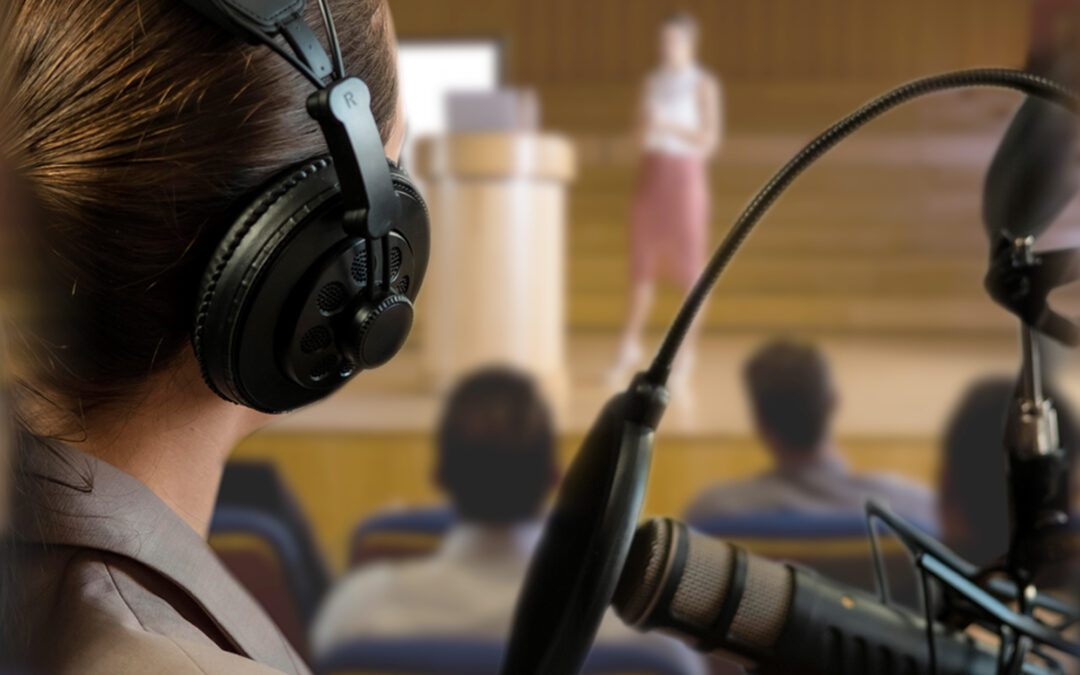

8 characteristics you need in your academic translator

8 características que necesitas de un traductor académico

En general, las traducciones académicas son las más complejas. Traducir un artículo de investigación para publicación en inglés requiere mucha habilidad, ya que, por lo general, poseen textos densos, términos muy técnicos y lenguaje complicado. Por esta razón, hemos preparado una lista de características que deberías buscar en un traductor académico antes del proceso de contratación para la traducción de tu artículo.

  1. Títulos. Tu traductor académico necesita haber estudiado en una universidad, y preferiblemente al nivel de pos-grado. Es decir, debería tener experiencia investigando y escribiendo su tesis para que puede hacer una buena traducción de los resultados de tu investigación. Más títulos = mejor traductor académico.
  2. Aunque no es obligatorio, si tu traductor académico ha escrito sus propios artículos o capítulos de libro es una gran ventaja. Así conocen la estructura de estos textos, el lenguaje requerido y la importancia de la precisión de estas traducciones.
  3. Comunicación. Debido a la complejidad de un artículo académico, es esencial que haya un buen canal de comunicación entre el/la traductor/a y el/la investigador/a. Este es necesario para aclarar cualquier duda y hacer preguntas sobre el texto.
  4. Estilo en inglés académico. Escribir en el lenguaje académico de inglés es supremamente distinto al español. Hay palabras muy específicas que se utilizan, y sobre todo es un estilo directo, ordenado y fácil de entender. Hacer una traducción literal de un artículo de español resultaría en un rechazo por parte de la revista por problemas de comprensión.
  5. Lógica. Suena raro para un artículo académico, pero una traducción académica necesita un fuerte componente lógico. Es cómo ordenar las frases dentro de un párrafo y los párrafos de una sección, con el fin de lograr un flujo lógico del artículo que presente las ideas de una manera más clara.
  6. Una traducción académica puede demorar. No solo haciéndola, lo cual requiere un trabajo meticuloso, sino que, por lo general, las revistas académicas suelen enviar correcciones y sugerencias, que el/la autor/a tiene que hacer en español. Luego la tarea es traducir las correcciones, incorporarlas en el artículo y enviarlas de nuevo. En algunos casos, puede pasar que envían correcciones de las correcciones. Para ello, necesitas un traductor académico con determinación, paciencia y que ofrezca una garantía de un año para hacer cambios.
  7. Un elemento central de una traducción académica es lograr los términos correctos. Trabajamos con el/la autor/a para construir un glosario personalizado, que ellos mismos corrigen. Si no saben cómo traducir ciertas palabras, se realiza un proceso de lectura de tesis, artículos y capítulos de libros en inglés para asegurar que tenemos el término correcto.
  8. Nadie traduce mejor que un nativo con experiencia en traducciones académicas. Sencillamente, no se puede reemplazar el conocimiento o habilidad con el idioma de un nativo.

 ONG Traducciones ofrece traducciones académicas de altísima calidad. Puedes conocer más sobre este servicio aquí.

Simultaneous, consecutive or whispered? A guide to different interpreting techniques.

Simultaneous, consecutive or whispered? A guide to different interpreting techniques.

Not all interpreting is the same. Different clients often prefer a specific technique, or the nature of an event might require an interpreter to use a variety of interpreting methods. In a city like Bogotá, Colombia, because of range of clients we have and the amount of international visits and events that occur, we have used all three, depending on the circumstances. Below is a short guide to the three different techniques that interpreters use.

Simultaneous interpreting

As the name implies, simultaneous interpreting involves the interpreter talking at the same time as the speaker. Interpreting equipment is required for this technique, either the booth or portable equipment.

Simultaneous interpreting is the most common technique used by interpreters for a number of reasons. It occurs in real time, ensures the highest level of accuracy and is the most comfortable method for both interpreters and clients.

Consecutive interpreting

This technique can be described as “listen, wait and repeat”. It involves someone speaking for between 30 seconds and 2 minutes while the interpreter memorizes what they are saying. The speaker then pauses and the interpreter takes over, repeating what the speaker said in the target language. Once the interpreter finishes, the speaker starts talking again.

Consecutive interpreting is commonly used when no interpreting equipment is available or it isn’t appropriate. This includes impromptu interactions with community members or schoolchildren, interviews with the media and situations where there aren’t enough headsets for those in attendance.

Consecutive interpreting requires incredible concentration and memory from the interpreter and is exhausting. It is best not to request consecutive interpreting from your interpreter beyond short periods of time.

Whispered interpreting

This technique is definitely the most “intimate” of the three. It involves simultaneous interpreting without any equipment. Instead of using a microphone and headset, the interpreter sits next to the client and “whispers” their interpretation into one of their ears. The whispering is required so that the interpreter doesn’t distract the person speaking or the other people attending the event or meeting.

Whispered interpreting is often required for impromptu meetings, cultural activities and conversations held in very small spaces like meeting rooms or moving cars. This technique is generally used for unexpected moments where interpreting is required and it is not recommended for all day events due to the advantages provided by portable equipment.

ONG Traducciones has experience using all three of the techniques described above. You can find out more information about our interpreting services by clicking here.

Simultaneous, consecutive or whispered? A guide to different interpreting techniques.

¿Simultánea, consecutiva o susurrada? Guía de las distintas técnicas de interpretación.

No todas las interpretaciones son iguales. Los clientes suelen preferir una técnica específica, o la naturaleza de un evento puede requerir que un intérprete utilice una variedad de métodos de interpretación. En una ciudad como Bogotá, Colombia, debido a la variedad de clientes que tenemos y a la cantidad de visitas y eventos internacionales que se producen, hemos utilizado las tres técnicas, dependiendo de las circunstancias. A continuación, encontrará una breve guía de las tres técnicas que utilizan los intérpretes.

Interpretación simultánea

Como su nombre indica, la interpretación simultánea consiste en que el intérprete hable al mismo tiempo que el orador. Para esta técnica se necesita un equipo de interpretación, ya sea la cabina o un equipo portátil.

La interpretación simultánea es la técnica más utilizada por los intérpretes por varias razones: Se produce en tiempo real, garantiza el máximo nivel de precisión y es el método más cómodo tanto para los intérpretes como para los clientes.

Interpretación consecutiva

Esta técnica puede describirse como «escuchar, esperar y repetir». Consiste en que alguien hable entre 30 segundos y 2 minutos mientras el intérprete memoriza lo que está diciendo. A continuación, el orador hace una pausa y el intérprete toma el relevo, repitiendo lo que ha dicho en la lengua de destino. Cuando el intérprete termina, el orador vuelve a hablar.

La interpretación consecutiva suele utilizarse cuando no se dispone de equipo de interpretación o éste no es adecuado. Esto incluye interacciones improvisadas con miembros de la comunidad o escolares, entrevistas con los medios de comunicación y situaciones en las que no hay suficientes auriculares para los asistentes.

La interpretación consecutiva requiere una concentración y una memoria increíble por parte del intérprete y es un proceso agotador. Es mejor no solicitar interpretación consecutiva a su intérprete más allá de periodos cortos de tiempo.

Interpretación susurrada

Esta técnica es sin duda la más «íntima» de las tres. Consiste en interpretar simultáneamente sin ningún tipo de equipo. En lugar de utilizar un micrófono y auriculares, el intérprete se sienta junto al cliente y «susurra» su interpretación a uno de sus oídos. El susurro es necesario para que el intérprete no distraiga a la persona que habla ni a los demás asistentes al acto o reunión.

La interpretación susurrada suele ser necesaria en reuniones improvisadas, actividades culturales y conversaciones mantenidas en espacios muy reducidos, como salas de reuniones o carros en movimiento. Esta técnica se utiliza generalmente para momentos inesperados en los que se requiere interpretación y no se recomienda para eventos de todo el día debido a las ventajas que ofrecen los equipos portátiles.

ONG Traducciones tiene experiencia en el uso de las tres técnicas descritas anteriormente. Puede obtener más información sobre nuestros servicios de interpretación haciendo clic aquí.

How to organize interpreting for a Zoom call

How to organize interpreting for a Zoom call

traduccion_simultánea_zoom

Ever since the pandemic, Zoom calls have become a huge part of the work carried out by businesses, organizations and government offices, particularly in major Colombian cities like Bogotá. These Zoom calls often involve people from different countries who require interpreting because they don’t speak Spanish. So how do you organize interpreting for a Zoom call? Below is a quick guide so that your online meeting goes smoothly.

    1. Identify which languages you require for interpreting. The most common combination in Colombia is Spanish and English.
    2. Find an interpreter who has experience interpreting for Zoom calls and who has some background knowledge of the topic of the meeting / session.
    3. Ask the interpreter to hire a Zoom Pro licence for the session if you don’t already have a subscription. This means that you only pay a small rental fee, instead of having to pay for software that you probably aren’t going to use every day of the year. You MUST have a Zoom Pro licence to be access the interpreting function.
    4. Make a list of the people who will participate in the Zoom call with their email addresses, as well as the time and date it will occur (specify that it is the time in Bogotá), and share it with the interpreter. Ask them to set up the meeting and make both of you co-hosts.
    5. Send the interpreter any documents you are going to discuss or present during the session so that they can prepare and research any technical vocabulary.
    6. If the Zoom call is just 1 hour, your interpreter probably won’t need a break. If it is between 1 and 2 hours, your interpreter is definitely going to need a 5 – 10 minute break in the middle to make sure that the interpretation is of the highest quality throughout the call. If the session is longer than 2 hours, you are going to need a second interpreter so that they can work in 15 minute shifts.
    7. Connect to the Zoom call 15 minutes beforehand so that you can check the interpreting channels in both languages.
    8. Enjoy the miracle of interpreting on a Zoom call!

ONG Traducciones offers interpreting for Zoom calls, as well as renting access to Zoom Pro for a day or multiple days. You can find out more about our interpreting service here.

How to organize interpreting for a Zoom call

Cómo organizar la interpretación para una llamada de Zoom

traduccion_simultánea_zoom

Desde la pandemia, las llamadas de Zoom se han convertido en una parte importante del trabajo realizado por empresas, organizaciones y oficinas gubernamentales, especialmente en ciudades grandes de Colombia como Bogotá. En estas llamadas de Zoom suelen participar personas de distintos países que necesitan interpretación porque no hablan español. Entonces, ¿cómo organizar la interpretación para una llamada Zoom? A continuación, encontrará una guía rápida para que su reunión en línea se desarrolle sin complicaciones.

    1. Identifique qué idiomas necesita para la interpretación. La combinación más común en Colombia es español – inglés.
    2. Busca un intérprete que tenga experiencia en procesos de interpretación con llamadas de Zoom y que conozca bien el tema de la reunión/sesión.
    3. Solicite al intérprete que alquile una licencia de Zoom Pro para la sesión si aún no tienes una suscripción. De este modo, sólo pagará una pequeña cuota de alquiler, en lugar de tener que pagar por un software que probablemente no vaya a utilizar todos los días del año. DEBE tener una licencia Zoom Pro para acceder a la función de interpretación.
    4. Realice una lista de las personas que participarán en la llamada Zoom con sus direcciones de correo electrónico, así como la hora y la fecha en que tendrá lugar (asegúrese de especificar la zona geográfica y el huso horario adecuado), y compártela con el intérprete. Pídele que organice la reunión y que ambos se encuentren en el rol de coanfitriones.
    5. Envíe al intérprete los documentos que vaya a debatir o presentar durante la sesión para que pueda preparar e investigar el vocabulario técnico.
    6. Si la llamada con Zoom dura sólo 1 hora, es probable que el intérprete no necesite un descanso. Si la llamada dura entre 1 y 2 horas, el intérprete necesitará una pausa de 5 a 10 minutos en el medio para asegurarse de que la interpretación sea de la máxima calidad durante toda la llamada. Si la sesión dura más de 2 horas necesitará un segundo intérprete para que pueda trabajar en turnos de 15 minutos.
    7. Conéctese a la llamada de Zoom 15 minutos antes para poder comprobar los canales de interpretación en ambos idiomas.
    8. ¡Disfrute del milagro de la interpretación en una llamada Zoom!

ONG Traducciones ofrece interpretación para llamadas Zoom, así como el alquiler de acceso a Zoom Pro por uno o varios días. Puede obtener más información sobre nuestro servicio de interpretación aquí.