
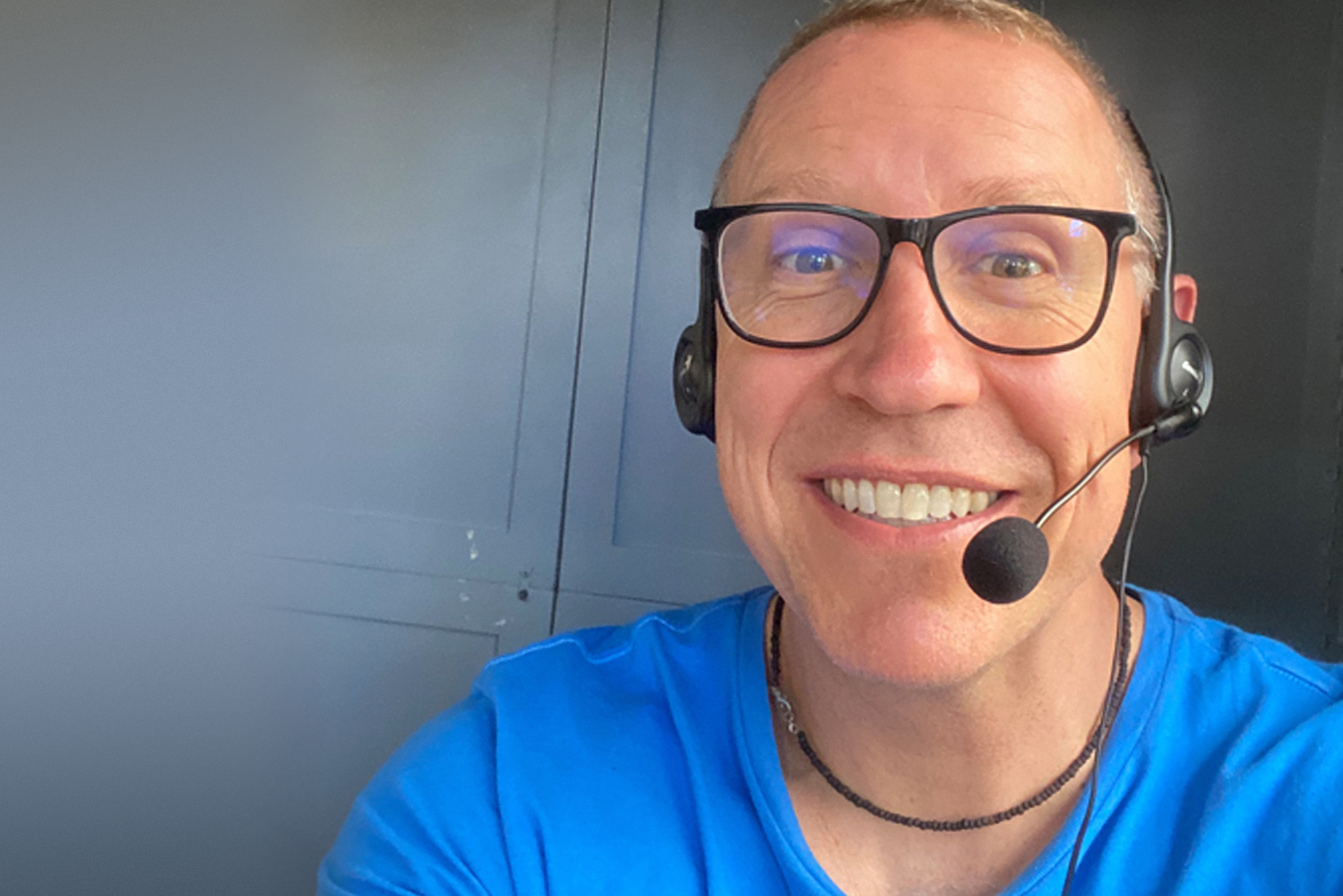
While being an interpreter is definitely not as glamorous as showbusiness, it is a bit different to a normal office job, particularly in that many of us work for ourselves. Below is a normal day in the life of this interpreter working in Bogotá, Colombia.
Early morning
6am: Wake up. Well, slowly. Breakfast, shower, iron clothes (in Colombia you have to look your best). Extra coffee.
7am: Get on my bike and ride to a hotel or office tower. In Bogotá, this is usually in the north of the city.
7.45am: Leave my bike in a carpark so that it doesn’t get stolen off the street.
Before we start
8am: Upon arrival to the meeting room, my first port of call is always our wonderful team of technicians who arrive early to set up the booth, mixing desk, microphones and cables. I only ever have one question for them: “all good?”. If things are all good, as they usually are, I smile and thank them vociferously for their work. Our technicians are the most important people in the building, because they make it all happen.
8.05am: Find the contact person from the client and introduce myself. I ask them for a quick run down of the day’s events, if anything has changed from the agenda they sent me and get them to confirm what time we are starting.
8.10am: Get a coffee. In Colombia there is always coffee. It’s wonderful.
8.15am: Sit down in the booth and drink my coffee slowly. The booth is always at the back of the room and helps us soundproof what we do, so our voices only come through the headphones and not the room itself.
8.30am: My interpreting colleague arrives. The joy of speaking English with a fellow native speaker is only surpassed by the joy of sharing any gossip we might have about politics, our families and life in general.
8.40am: Mic and headphones test. My colleague always tells jokes instead of saying “testing, testing, 1, 2, 3”. She has the best jokes. The only joke I have is “what’s brown and sticky? A stick”.
8.45am: Introduce myself to the visitors who are our direct clients for the day. I always ask if it’s their first time in Colombia. If it is, I hold out my arms, smile and declare “welcome to Colombia!”.
Showtime!
9am: Start interpreting. Interpreters always take turns, doing shifts between 15 and 20 minutes we don’t get too tired (it’s an exhausting job). We keep track of the time with a stopwatch in the booth and always look for a suitable pause to achieve a seamless transition at the end of each shift.
11am: Morning tea. It’s always exciting to see what snack is served. Some days it’s amazing. Some days there is no snack.
11.15am: Keep interpreting.
Lunch
12.30pm: Lunch break. We usually sit with the visiting guests if no one else speaks English so that they don’t feel lonely. We also sit with our technical staff, because they are great. In a hotel or office, lunch can either be amazing or not so great. The good thing is that we always get lunch.
1.30pm: Back to interpreting. We load up on coffee to get over the post lunch sleepiness. Luckily, everyone else is sleepy after lunch so it’s generally a chilled vibe for the first hour.
3pm: Afternoon tea. Based on years of experience, you are much less likely to get a snack in the afternoon compared to the morning because people are often still full from lunch. Coffee is essential.
Almost there
3.30pm: Final session. Definitely the hardest of the day. Not because we are tired, but because everyone else is. This means that their sentences aren’t as well structured and are more difficult to interpret. Luckily, we are professionals, so we make them look great and ensure that everyone is enjoying high level communication.
5pm: End of the day. We sign off, and occasionally we get applause from the people at the meeting. It’s always nice to have your work appreciated.
5.01pm: Say thank you to our technical team for another flawless day of high quality sound.
5.05pm: Check in with the client and ask if they have any feedback.
5.10pm: Check in with the visitors we were interpreting for and give them tips and recommendations about what to see, do and buy in Bogotá if they have any time off before they leave.
5.15pm: Thank my colleague.
5.20pm: Pick up my bike and ride home. Bogotá traffic acts like a meditative mind cleanse. You can only concentrate on one thing: survival.
6pm: Make it home. After talking all day, I generally try to be as silent as possible in the evening. Eat dinner, rest and get ready to do it all again tomorrow.
ONG Traducciones offers interpreting in Bogotá and the rest of Colombia. You can find out more about this service by clicking here.










0 comentarios